Before there was a Bessemer City, there was Wooten Station, a stop on the railroad through western Gaston County. According to the Gaston County Public Library’s local history guide, the area the station served had several iron furnaces in the years before the Civil War.
Why “Bessemer”?
Those small furnaces could not keep up once huge iron deposits were found elsewhere in the country and better ways of processing ore came along. The iron heritage stuck anyway. The library guide says the new town was named for the Bessemer steel-making process as a tribute to the area’s history.
The Bessemer process, developed in the 1850s by English inventor Henry Bessemer, made steel by blowing air through molten iron. It was one of the great industrial breakthroughs of the 1800s, and a fitting name for a town founders hoped would grow around mining and manufacturing.
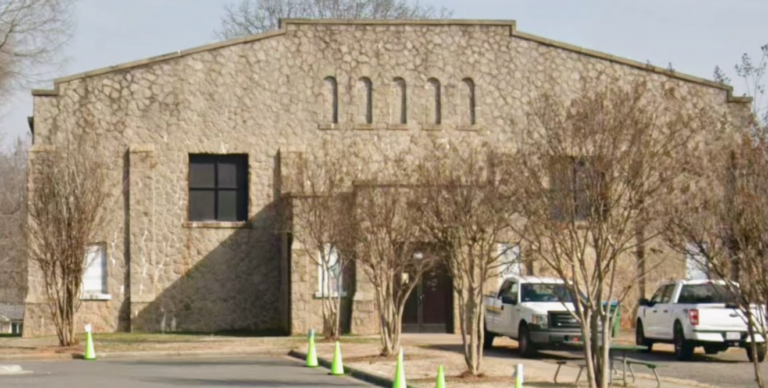
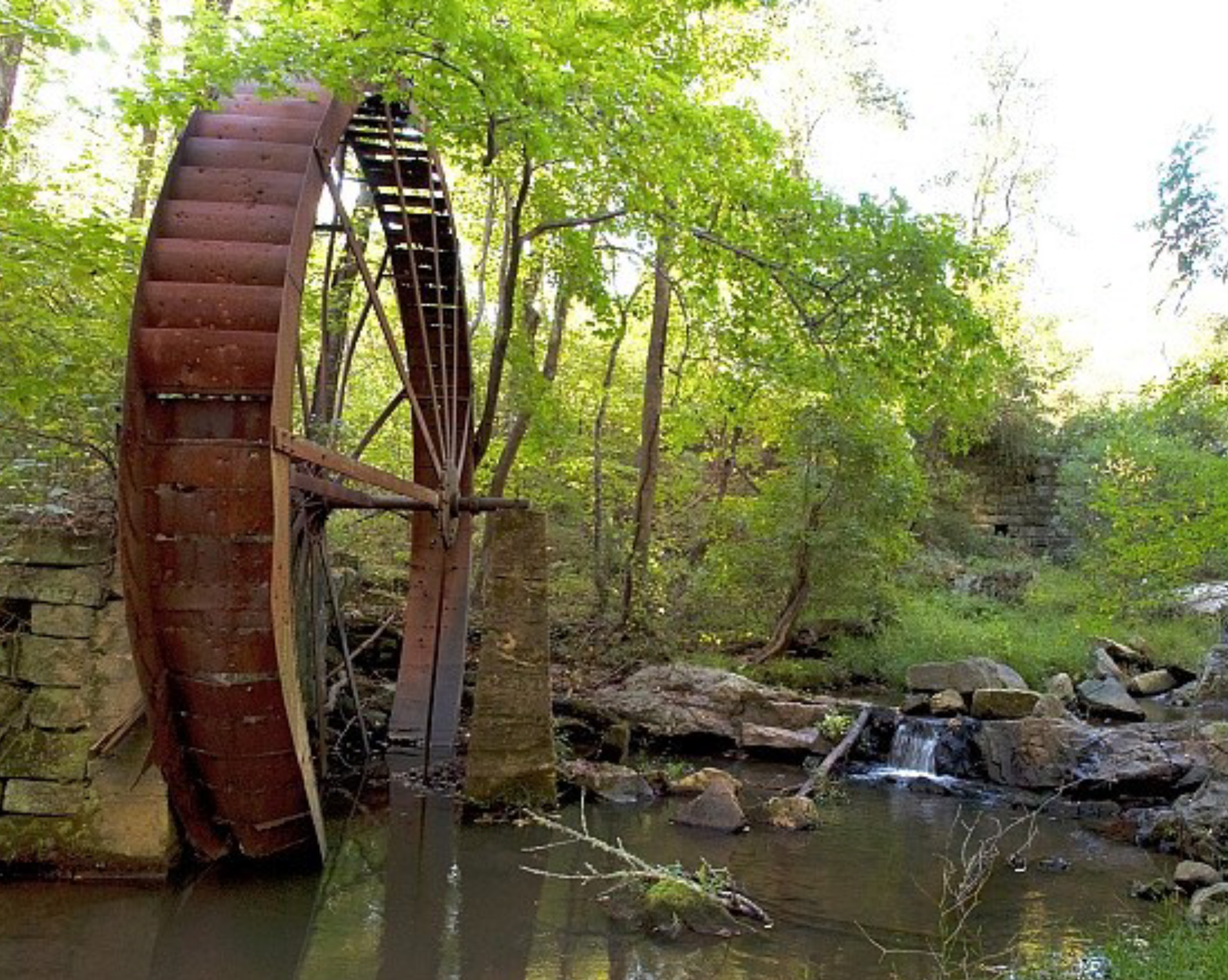
The area’s iron story reaches back much further. The City’s history page traces it to a 1754 land grant to James Ormand, whose mining company helped lay the groundwork for the town. The Old Ormand Furnace still stands and is used as a gathering place for the Ormand family reunion, which the City says has been held every year since 1897.
A planned company town
In 1891, John Askew Smith and a group of businessmen conceived a whole new company town, the Bessemer City Mining and Manufacturing Company. The town was incorporated on March 6, 1893. John Askew Pinchback served as the first mayor, and C. E. Robbins was the first policeman.
A small start and fast growth
Accounts of how small the new town was differ. The library guide puts it at about 70 residents when it was incorporated, while the City’s history page describes only a few families. Either way, growth came quickly. Census figures in the library guide show about 1,100 people by 1900, 1,529 by 1910 and 5,739 by 1930.
From iron to cotton
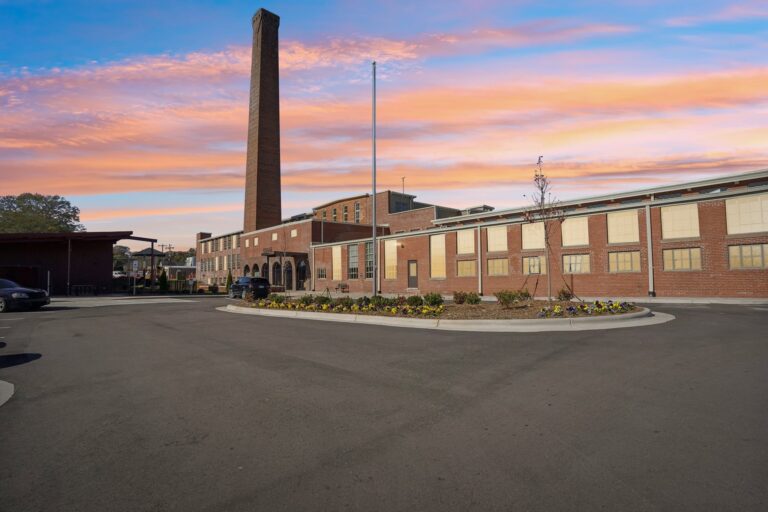
Despite the metallic name, cotton built Bessemer City. Smith and his partner J. A. Pinchback started a textile mill but, according to NC State University’s textile history archive, spent so much on the building that there was no money left for equipment. Stonewall Jackson Durham and John M. Odell bought the unfinished mill and opened it as Southern Cotton Mills, chartered December 10, 1895. It was the first mill in Bessemer City, and its building stands today as the Osage Mill.
Mining came back in a new form in 1954, when the Lithium Corporation of America opened a lithium operation here, a chapter of local industry that continues today.
Want to dig deeper?
The Gaston County Public Library holds Centennial 1893-1993: Bessemer City, North Carolina and other local history books. The Bessemer City History and Arts Society museum at 209 W. Washington Ave. is open by appointment; the library guide says to call the Kiser Senior Center at (704) 729-6465 to set up a visit.